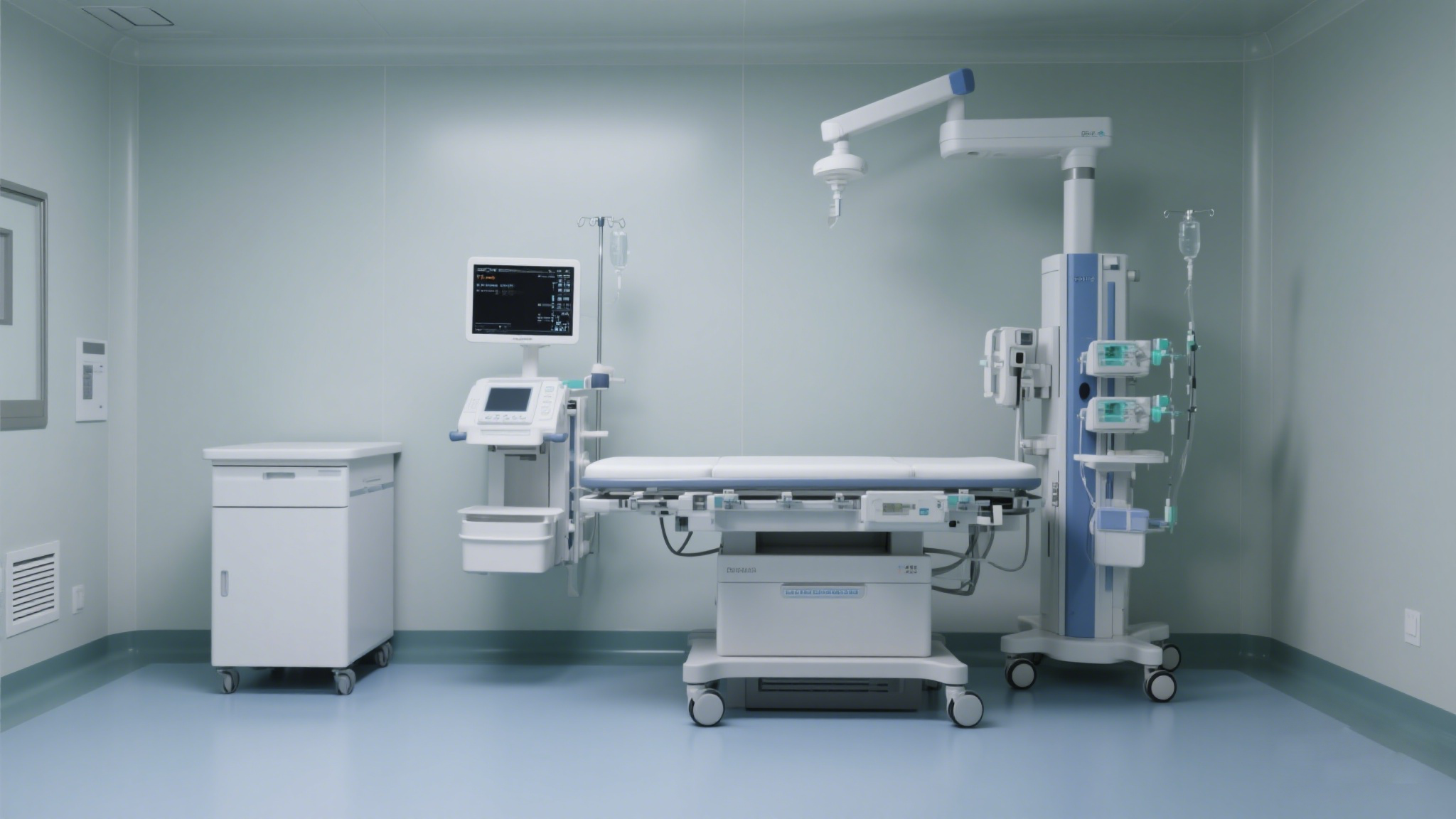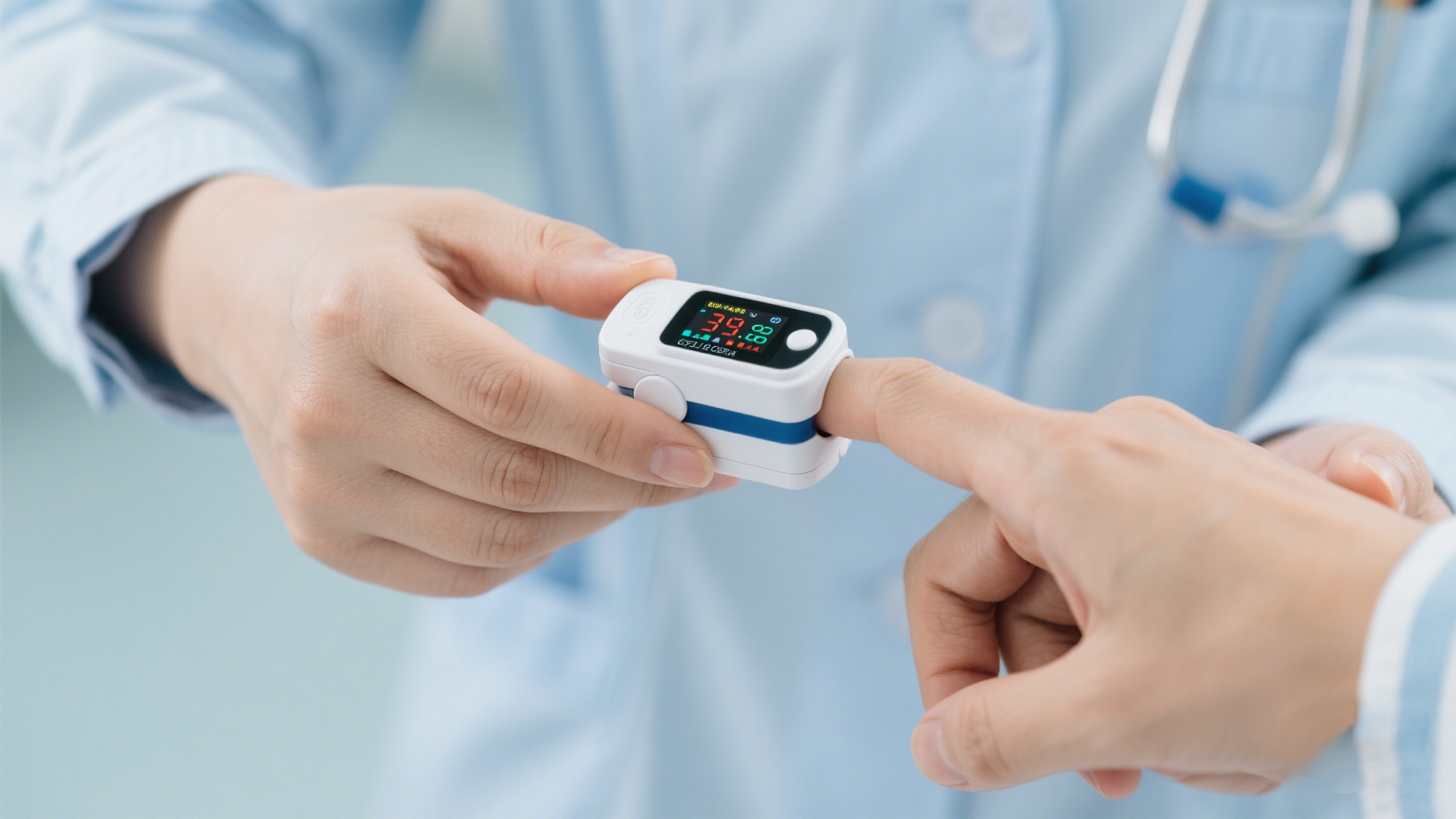
Medical Device Battery Solutions
Large Power Medical Battery Applications
High-Performance Battery Solutions for Medical Equipment
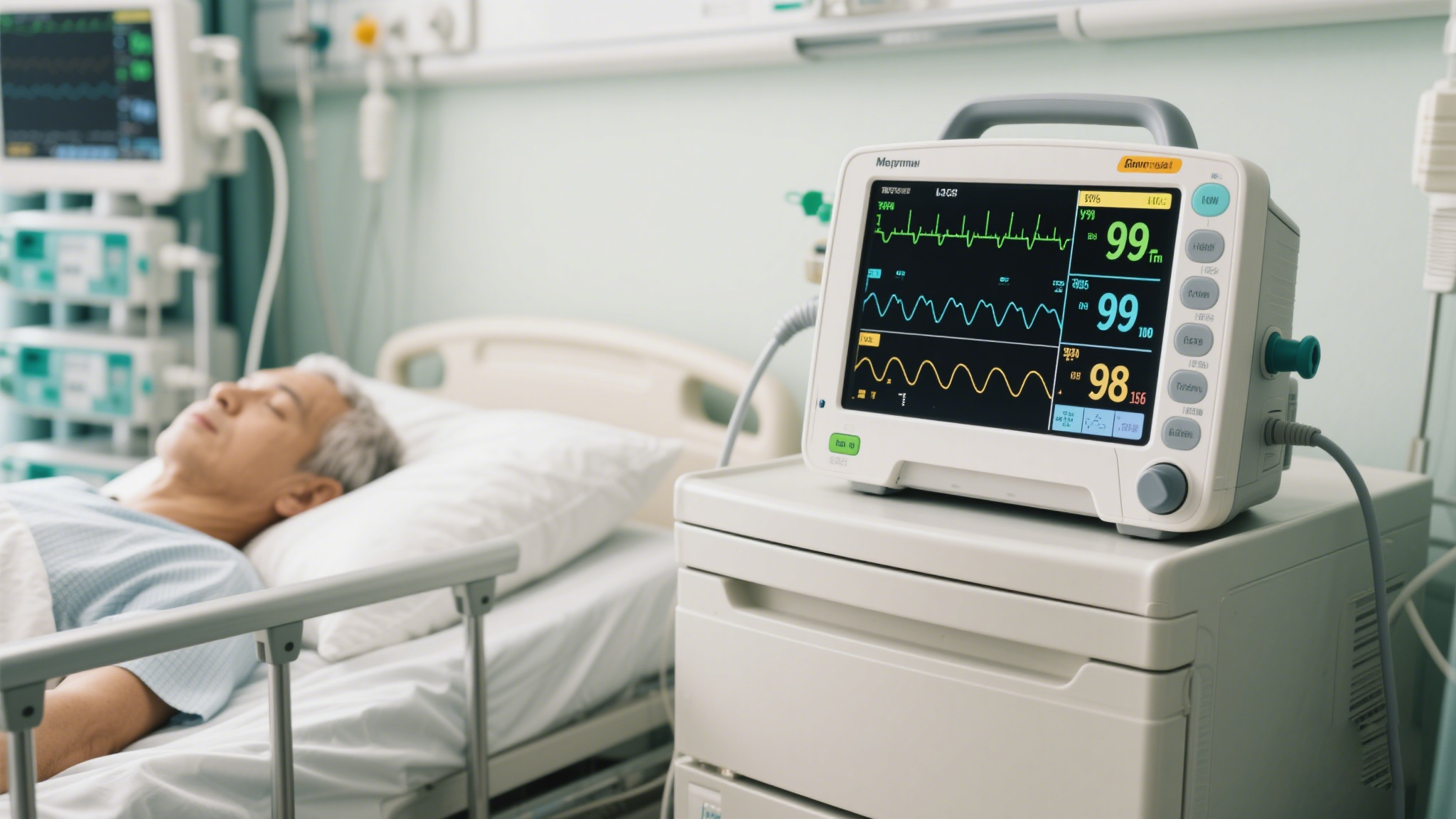
Large Power designs lithium-ion, LiPo, LiFePO4, and low-temperature battery packs for patient monitors, portable oxygen concentrators, ultrasound systems, infusion pumps, defibrillators, surgical tools, and portable diagnostic devices.
Our engineering team supports medical OEMs with voltage and runtime matching, BMS/PCM protection, enclosure integration, charging compatibility, safety testing, and certification documentation for reliable device operation.
What are our solutions and why choose our medical batteries?

Tailored Power Solutions for Life-Saving Medical Devices
We specialize in custom battery packs for critical medical equipment such as defibrillators, patient monitors, and portable diagnostic systems. Our solutions are engineered to meet the specific electrical, dimensional, and regulatory requirements of each device, working closely with medical OEMs to ensure seamless integration and optimal performance.
Unmatched Safety and Compliance with Global Medical Standards
Battery safety and transport documentation must be selected for the exact model, application and destination market. Our team can review applicable requirements and available reports with the OEM. Quality-system certificates and battery test reports do not replace complete-device medical safety assessment or automatically establish CE conformity.

Reliable Performance in Critical and Low-Temperature Environments
Operating and storage limits depend on the selected cell, pack construction and validated device conditions. Define charging and discharging temperatures separately, then verify runtime, protection and recovery at the required environmental limits. Low-temperature charging may require charge inhibition or controlled heating; it is not an inherent capability of every medical battery pack.
Powering a Range of Medical Applications
In the medical industry, battery technology is becoming the power source for many critical devices, ensuring stable support during critical moments. Whether it is surgical tools, patient monitoring equipment, or applications such as respiratory care and wound treatment, batteries can provide the precise, reliable and continuous power these devices need. Through innovative battery solutions, medical devices can not only operate efficiently in various environments but also enhance the quality of patient care, promoting the advancement of medical technology and the expansion of its application scope.
Customer Pain Points:
Runtime vs. Weight Dilemma – Clinicians require devices light enough for all-day use but with enough battery life for multiple uninterrupted scans. This creates a difficult trade-off between a heavier, long-lasting battery and a lighter option that triggers “range anxiety.”
Inconsistent Performance – Sudden battery failure during critical procedures is unacceptable. Poor cell quality can cause unexpected shutdowns, inaccurate battery readings, and a loss of clinician trust.
Safety & Reliability Risks – In close proximity to patients, the battery must meet the highest safety standards. Poor thermal management can cause overheating, and inadequate protection circuits can damage both the battery and the device.
Solutions:
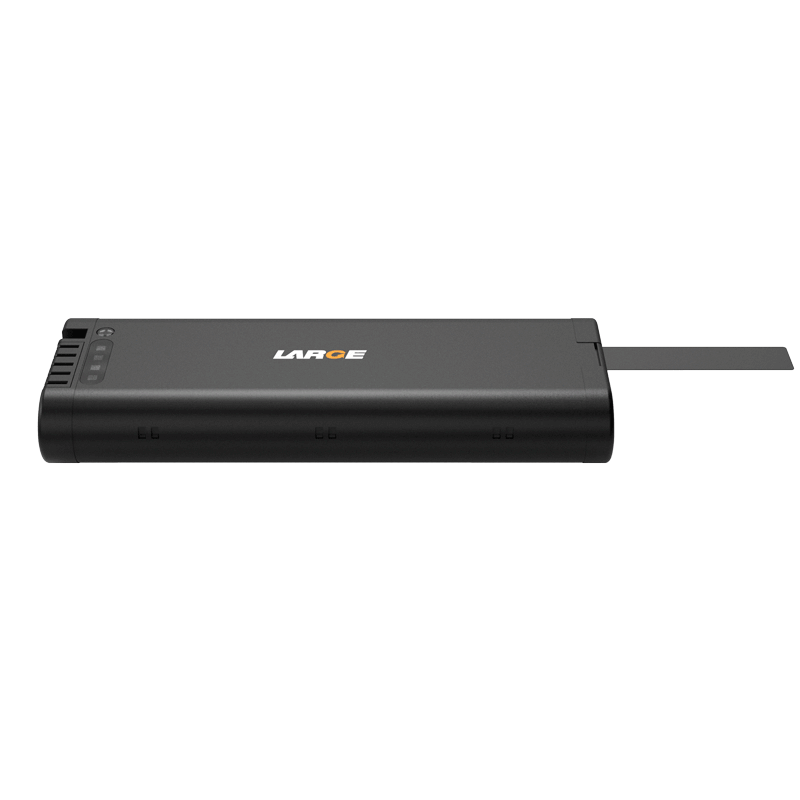
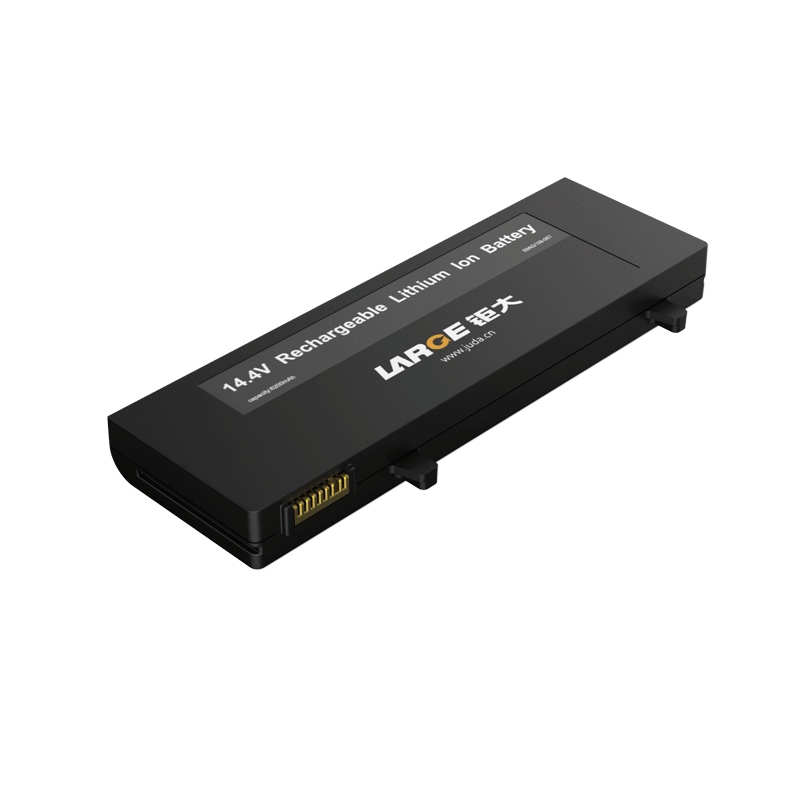
The 14.4 V 6200 mAh battery pack is a reference platform for portable ultrasound integration. Final suitability depends on the approved pack specification and complete-device validation.
Review cell traceability, BMS configuration, charger compatibility and the applicable test-document scope with the engineering team. Battery-level evidence supports, but does not replace, medical-device safety and essential-performance assessment.
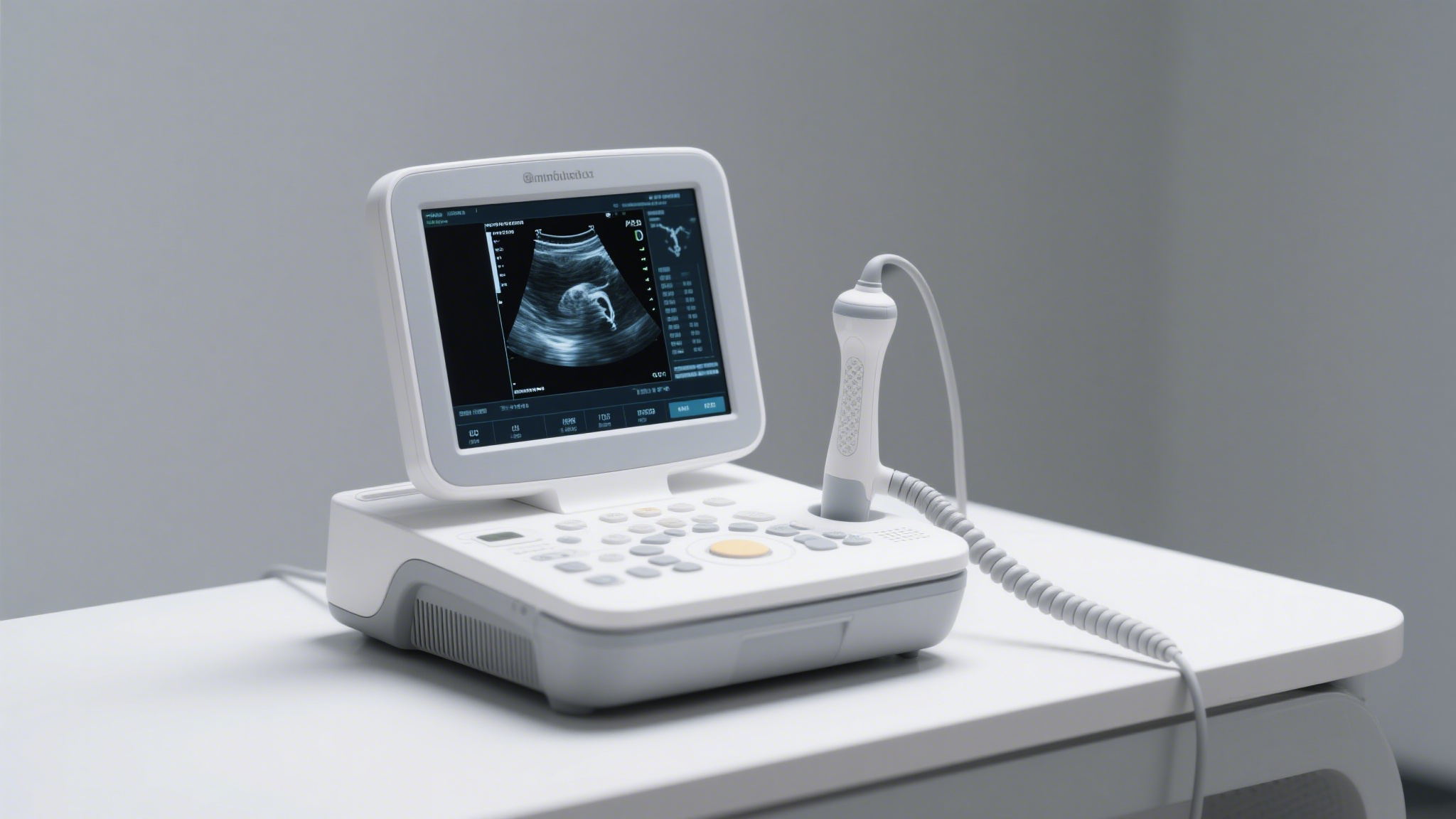
Instant care ultrasound
Portable ultrasound battery integration should be validated with the complete instrument, including imaging modes, display brightness, peripheral loads and standby operation.
- Match the pack voltage window and peak current to the host input limits.
- Verify runtime, low-battery warnings and controlled shutdown under the intended temperature and service-age conditions.
- Validate SMBus data, charger compatibility and recovery after protection events.
- Confirm enclosure fit, connector retention and cleaning compatibility for the finished device.
Battery Cell Configuration
- 4S2P cylindrical lithium-ion reference configuration, rated 14.4 V and 6200 mAh for the listed model.
- Confirm the full voltage window, loaded runtime and end-of-service-life requirements against the host specification.
BMS Design
- SMBus battery-status reporting requires an agreed register map and host validation.
- Define protection thresholds, balancing, alarm handling and recovery for the selected cells and load.
Mechanical Integration and Verification
- Verify enclosure fit, connector retention, insulation and sealing through released drawings and tests.
- Validate cleaning and disinfection compatibility for the actual materials and process; do not assume autoclave compatibility.
- Check the exact model and scope of battery safety and transport reports. IEC 60601 assessment applies at medical-device system level.
Customer Pain Points:
- Weight and runtime must be assessed together at the required oxygen-delivery settings.
- Startup and compressor loads can cause voltage sag or protection trips if the pack is not matched to the host.
- Service life depends on the cell model, temperature, charging regime and duty cycle; define an end-of-service-life runtime requirement.
- Coordinate cells, BMS, enclosure, charger and host communication through a controlled specification.
Solution Approach:
Large Power supports custom battery pack development for portable oxygen concentrators, including cell selection, BMS protection, mechanical integration and testing. Confirm the exact model specification and available report scope before selecting a reference pack. Final approval requires testing with the actual concentrator and charger.
The Shift to Patient-Centric Home Healthcare
Portable oxygen concentrators use battery power to support prescribed oxygen therapy away from mains power. Delivery modes and settings vary by device: pulse-dose settings are not equivalent to continuous-flow rates.
Validate runtime at the specified operating settings, with the actual compressor duty, accessories and environmental conditions. Define low-battery indication, shutdown behavior and the required response to power loss at device level.
Battery Cell Architecture
- Choose the cell model and series/parallel count from the host voltage window, compressor current and required runtime.
- For the listed 14.4 V 6700 mAh reference pack, verify the released specification and test data rather than inferring cell model or capacity from the configuration alone.
BMS and Host Integration
- Coordinate charge/discharge protection, temperature limits and recovery with the concentrator and charger.
- Validate SOC reporting and low-battery warnings across the intended load, temperature and aging conditions.
Mechanical Verification
- Confirm finished dimensions, connector keying, polarity, retention and replacement handling.
- Assess shock, vibration and cleaning requirements for the actual device environment.
- Review battery documents for the exact model and market; complete-device compliance is assessed separately.

18V 5400mAh 18650 Panasonic Lithium Battery Pack
For Medical Ultrasound Machine, Ternary Lithium Battery with SMBus Communication

10.8V 5200mAh 18650 Lishen Lithium Battery Pack
For Portable Ultrasound Machine, Ternary Lithium Battery

25.2V 3300mAh 18650 Lithium Battery Pack
For Postpartum Rehabilitation Therapy Device, Ternary Lithium Battery
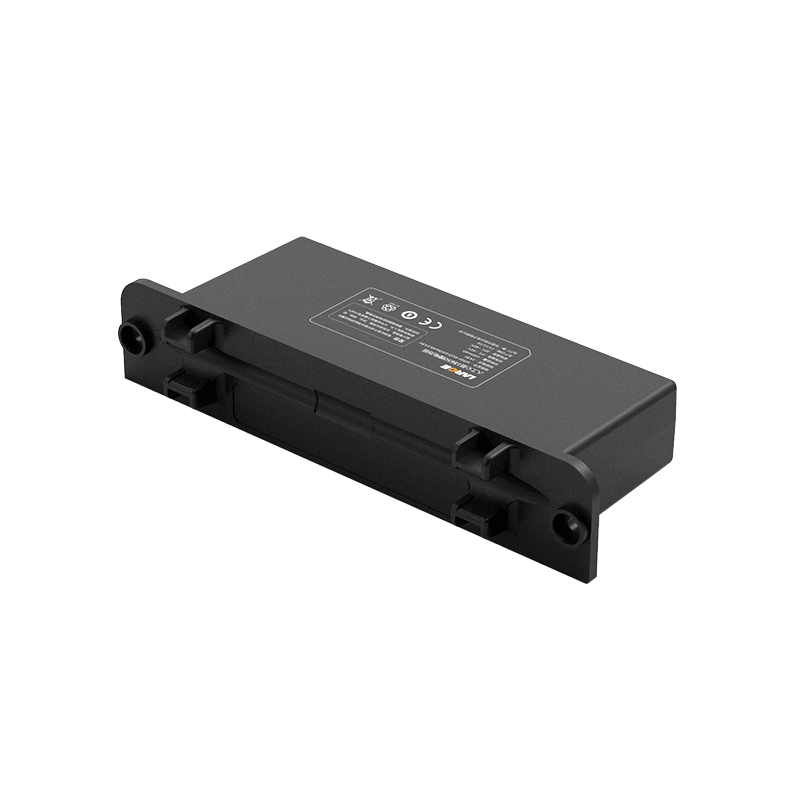
14.8V 1450mAh 18500 Lithium Battery Pack
For Artificial Heart, Intelligent Lithium Battery with SMBus Communication
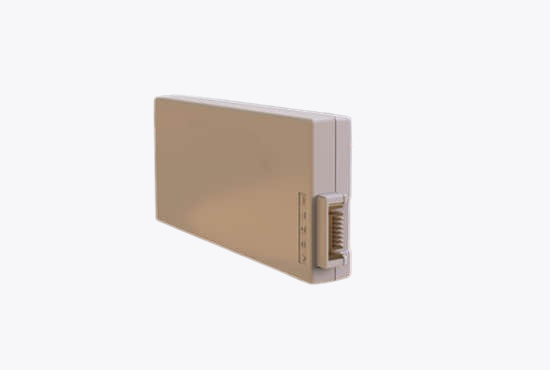
Main Product Categories
In medical and other mission-critical applications, our batteries are renowned for their exceptional reliability, safety, and stable performance under harsh conditions.

Lithium Battery Pack for Blood Gas Analyzer
Battery packs for blood gas analyzers should be matched to the instrument voltage window, measurement duty and required backup runtime. Validate low-battery reporting, protection behavior and electromagnetic compatibility with the complete analyzer.
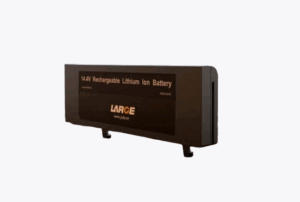
Ultrasound Machine Lithium-ion Battery Pack
Battery packs for portable ultrasound require verification of runtime, output stability, communication and electromagnetic compatibility in the complete instrument. Select the pack and power path to meet the imaging system requirements; battery integration alone cannot guarantee interference-free operation.
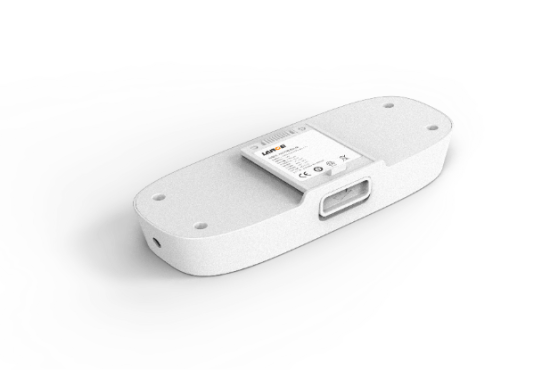
Portable Oxygen Concentrator Lithium Battery
Custom battery packs for portable oxygen concentrators balance runtime, weight, compressor current and charging requirements. Verify performance at the specified delivery settings and service age with the complete device.
Professional knowledge of the battery life cycle
Medical battery development requires controlled specifications, component traceability, documented verification and change control. Quality-management-system certification and product test reports serve different purposes and should be checked for their actual scope.
Define battery safety and transport evidence for the exact pack and target market. The device manufacturer remains responsible for system-level safety and essential performance. Protection, runtime, cleaning compatibility and any sterilization process require project-specific validation. Ordinary lithium-ion packs must not be assumed suitable for steam sterilization.

ISO 9001

UL Certification

IEC Certification

CB Certification

European Union CE

FCC
Join the medical device revolution
Are you ready to upgrade your medical equipment project?
Share your device load profile, runtime target, voltage window, mechanical limits and target markets. Our engineering team can review the battery architecture, validation scope and proposed delivery plan with you.
WHAT OUR PARTNERS SAY
FAQ – Battery Solutions for Medical Applications
Custom batteries for medical devices offer several key advantages: optimal size and form factor for your specific device, tailored performance characteristics, compliance with medical device regulations, and integration with your device’s power management system. This ensures maximum efficiency and reliability for your medical equipment.
While our existing medical battery products demonstrate our capabilities, we recommend custom solutions for medical devices to ensure optimal performance and compliance. Each medical device has unique power requirements, safety considerations, and regulatory needs. We can use our existing products as a starting point to develop a customized solution that perfectly matches your specific requirements.
Yes. Trusted by EMS teams and disaster response units, our batteries: Survive Extreme Conditions: Waterproof (IP68), shock-resistant, and operable in -20°C to 60°C. Guaranteed Readiness: 10-year shelf life for backup power in AEDs and field kits.
NDA Guarantee: IP protection for proprietary designs. Cleanroom Assembly: FDA-approved facilities for sterile-sensitive devices.
Yes. We adhere to implant-grade safety protocols, including: Biocompatible Materials: No toxic off-gassing or reactive components. Non-Magnetic Construction: Safe for MRI environments.